
low purine diet pdf
Navigating a low purine diet often involves seeking accessible low purine diet PDF resources. These guides simplify managing uric acid levels and gout effectively.
Understanding dietary adjustments is crucial; low purine diet PDF materials offer practical meal plans and food lists for successful implementation and symptom relief.
What is a Low Purine Diet?
A low purine diet meticulously restricts the intake of purines – naturally occurring substances found in foods. These compounds break down into uric acid within the body; Elevated uric acid levels can crystallize, leading to painful conditions like gout, and potentially impacting kidney function. A low purine diet PDF often details precisely which foods are high, moderate, and low in purines, providing a clear framework for dietary changes.
Essentially, it’s a strategic eating plan designed to minimize uric acid production. Many low purine diet PDF guides emphasize prioritizing fruits, vegetables, and whole grains while significantly limiting or avoiding red meat, organ meats, and certain seafood. These resources often include sample meal plans and shopping lists to simplify adherence, making it easier to manage symptoms and improve overall health.
Why Follow a Low Purine Diet?
Individuals primarily follow a low purine diet to manage gout, a painful form of arthritis caused by uric acid crystal deposits in the joints. Reducing purine intake lowers uric acid levels, lessening the frequency and severity of gout attacks; A comprehensive low purine diet PDF will explain this connection in detail, empowering individuals to take control of their health.
Beyond gout, a low purine diet can benefit those with kidney problems, as the kidneys are responsible for eliminating uric acid. Many low purine diet PDF resources highlight the importance of hydration alongside dietary changes. By minimizing uric acid buildup, this diet supports kidney function and overall well-being. It’s a proactive approach to preventing complications and improving quality of life.

Understanding Purines and Uric Acid
Low purine diet PDF guides detail how purines break down into uric acid, impacting bodily functions. Managing intake is key for health optimization.
How Purines Affect the Body
Purines are naturally occurring substances found in our bodies and various foods. When digested, they break down into uric acid. A low purine diet PDF will explain this process in detail, highlighting how excessive uric acid can crystallize and deposit in joints, leading to gout.
These PDF resources emphasize that while some uric acid is normal, high levels trigger inflammation and pain. The body typically eliminates uric acid through the kidneys, but certain factors – like diet – can overwhelm this system.
A low purine diet PDF will categorize foods based on their purine content, enabling informed choices. Understanding this metabolic pathway, as detailed in these guides, is fundamental to managing conditions like gout and kidney problems effectively. It’s about balancing intake with the body’s elimination capacity.
The Link Between Uric Acid and Gout
A low purine diet PDF clearly illustrates the direct correlation between elevated uric acid levels and the development of gout. When uric acid exceeds solubility in bodily fluids, it forms urate crystals. These crystals accumulate in joints, causing sudden, severe attacks of pain, swelling, redness, and tenderness – hallmarks of gout.
These PDF guides explain that managing uric acid is paramount in preventing gout flare-ups. A low purine diet aims to reduce the body’s uric acid production, lessening the crystal formation risk.
Resources often detail how lifestyle factors, alongside diet, influence uric acid levels. A comprehensive low purine diet PDF will provide strategies for both dietary modification and overall health improvement to effectively control gout and minimize its debilitating effects.

Foods to Embrace on a Low Purine Diet
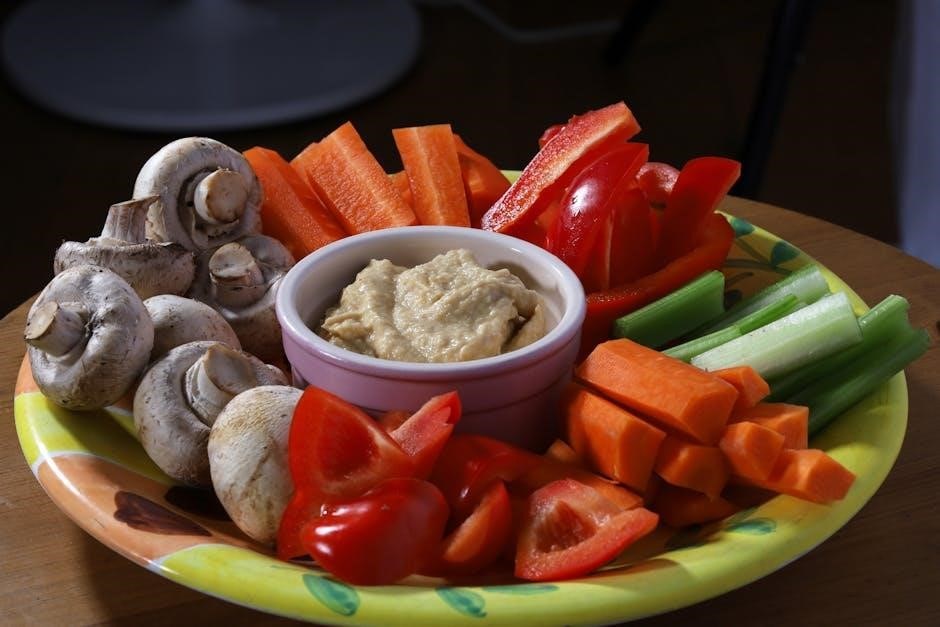
Low purine diet PDF resources highlight fruits, vegetables, low-fat dairy, and grains as excellent choices. These foods support uric acid management effectively.
Fruits and Vegetables: Safe Choices
Low purine diet PDF guides consistently emphasize fruits and vegetables as cornerstones of a gout-friendly eating plan. Most fruits, including oranges and cherries, are naturally low in purines and can even possess anti-inflammatory properties, potentially aiding in uric acid reduction.
Vegetables offer a wide range of nutritional benefits while remaining generally low in purines. Excellent choices include leafy greens, potatoes, and most non-starchy vegetables. However, some vegetables, like asparagus and spinach, contain moderate purine levels and should be consumed in moderation, as detailed in comprehensive low purine diet PDF materials.
Prioritizing these plant-based options provides essential vitamins, minerals, and fiber, contributing to overall health and supporting uric acid balance. Always consult a low purine diet PDF for specific serving sizes and recommendations.
Dairy Products: Low-Fat Options
Low purine diet PDF resources frequently highlight the benefits of incorporating low-fat dairy products into a gout management strategy. Dairy, particularly low-fat options like skim milk and low-fat cottage cheese, appears to have a protective effect against gout flares, potentially by promoting uric acid excretion.
Full-fat dairy should be limited, as the fat content may counteract these benefits. A low purine diet PDF will typically recommend prioritizing low-fat yogurt, milk, and cheeses. These provide calcium and protein without significantly contributing to purine intake.
It’s important to note that individual tolerance can vary. Always refer to a detailed low purine diet PDF for personalized guidance and serving suggestions to ensure optimal results and minimize potential discomfort.
Grains and Starches: Best Selections
A comprehensive low purine diet PDF will emphasize that grains and starches generally form a safe and substantial part of a gout-friendly eating plan. Opting for complex carbohydrates over refined ones is key. Excellent choices include rice, oats, barley, and cornmeal.
These provide sustained energy without significantly elevating uric acid levels. Many low purine diet PDF guides suggest incorporating whole-wheat bread and pasta in moderation. However, be mindful of portion sizes, as excessive carbohydrate intake can still impact weight management, indirectly affecting gout.
Always consult a detailed low purine diet PDF for specific serving recommendations and to understand how to best integrate these staples into a balanced, low-purine meal plan.

Foods to Limit or Avoid

Low purine diet PDF resources clearly identify high-purine culprits like red meat and shellfish as foods to drastically limit or completely exclude from your diet.
High-Purine Meats and Seafood
Low purine diet PDF guides consistently emphasize significant restriction of certain meats and seafood due to their inherently high purine content. Red meats, including beef, lamb, and pork, are flagged as problematic, contributing substantially to uric acid production within the body. Similarly, all forms of shellfish – shrimp, lobster, mussels, scallops, and crab – necessitate careful avoidance.
These foods break down into purines during digestion, escalating uric acid levels and potentially triggering gout flare-ups or exacerbating kidney issues. A low purine diet PDF will often provide specific purine content values for different types of meats and seafood, enabling informed dietary choices. Moderation, if any consumption occurs, is strongly advised, and consulting a healthcare professional is crucial for personalized guidance.
Organ Meats: A Strict No-No
Low purine diet PDF resources universally categorize organ meats as foods to be completely avoided. Liver, kidney, sweetbreads, and brain are exceptionally high in purines – far exceeding the levels found in muscle meats. Their consumption poses a substantial risk for individuals managing gout or hyperuricemia, rapidly elevating uric acid concentrations.
These organs function as natural filters and storage sites for purines within the animal, resulting in their concentrated presence. A comprehensive low purine diet PDF will explicitly list organ meats as “prohibited” or “avoid entirely,” emphasizing the severity of their impact. Even small portions can trigger acute gout attacks. Strict adherence to this restriction is paramount for effective uric acid control and symptom management.
Alcohol and Sugary Drinks: Impact on Uric Acid
Low purine diet PDF guides consistently highlight the detrimental effects of alcohol and sugary beverages on uric acid levels. Alcohol, particularly beer, is high in purines itself and also interferes with uric acid excretion by the kidneys, leading to increased concentrations in the blood. Fructose-sweetened drinks, like sodas and fruit juices, accelerate purine breakdown, further elevating uric acid.
A detailed low purine diet PDF will recommend complete avoidance of beer and limiting other alcoholic beverages. Sugary drinks should be replaced with water or other low-sugar options. These beverages contribute to inflammation and hinder the body’s natural ability to manage uric acid, exacerbating gout symptoms and potentially leading to kidney problems.

Hydration and its Role
Low purine diet PDF resources emphasize ample water intake to aid uric acid removal. Proper hydration supports kidney function and minimizes gout flare-ups.
The Importance of Water Intake
Low purine diet PDF guides consistently highlight the critical role of hydration. Drinking sufficient water – aiming for at least eight glasses daily – is paramount when managing uric acid levels. Water aids the kidneys in efficiently flushing out excess uric acid, preventing crystal formation and reducing the risk of painful gout attacks.
Dehydration concentrates uric acid, exacerbating symptoms. Many low purine diet PDF documents recommend tracking fluid intake to ensure adequate consumption. Beyond water, certain herbal teas (unsweetened) can contribute to hydration, but sugary beverages should be strictly avoided as they can worsen uric acid imbalances. Consistent hydration is a cornerstone of a successful low-purine lifestyle.
Beverages to Choose and Avoid
Low purine diet PDF resources meticulously detail beverage choices. Water remains the optimal hydration source, facilitating uric acid excretion. Coffee, in moderation, appears beneficial for some, potentially lowering uric acid levels – a point often noted in low purine diet PDF guides. Unsweetened herbal teas are also generally safe and contribute to fluid intake.
Conversely, alcoholic beverages, particularly beer, are strictly discouraged due to their high purine content and interference with uric acid removal. Sugary drinks, including fruit juices and sodas, elevate uric acid production and should be avoided. Many low purine diet PDF materials emphasize that beverage selection significantly impacts dietary success and gout management.
Sample Meal Plan for a Low Purine Diet
Low purine diet PDF guides frequently include sample meal plans. These plans showcase incorporating fruits, low-fat dairy, and moderate coffee for balanced nutrition.
Breakfast Ideas
Low purine diet PDF resources often emphasize starting the day with gentle, uric-acid-friendly options. Oatmeal, prepared with water or low-fat milk, is a fantastic choice, providing sustained energy without a purine load. Consider adding berries – cherries are particularly beneficial – for a touch of sweetness and antioxidant power.
Another excellent breakfast is a simple serving of low-fat cottage cheese paired with sliced peaches or a small orange. These fruits are consistently recommended in low purine diet PDF guides. Avoid processed breakfast meats like bacon or sausage entirely, as they are high in purines. A slice of whole-wheat toast with a thin spread of jam is permissible, but moderation is key. Remember to hydrate with water or a small cup of coffee, as suggested in many low purine diet PDF plans.
Lunch and Dinner Suggestions
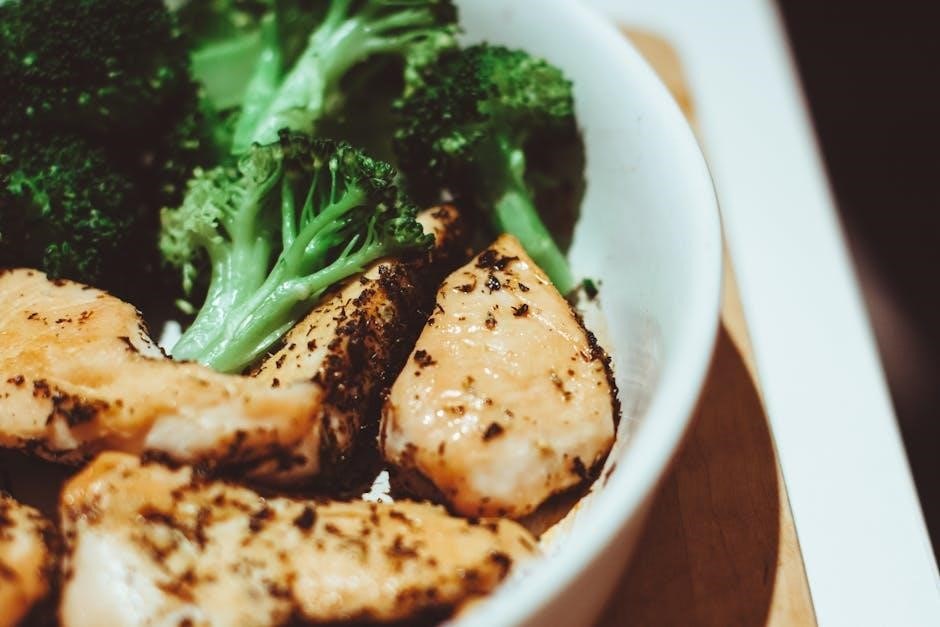
Low purine diet PDF guides frequently suggest focusing on plant-based proteins and complex carbohydrates for lunch and dinner. A large salad with tofu and a light vinaigrette dressing is an excellent lunch option. Salmon, consumed in moderation (as outlined in many low purine diet PDF resources), can be incorporated once or twice a week.
Dinner ideas include vegetable stir-fries with brown rice, or a baked potato topped with low-fat cottage cheese and steamed vegetables. Avoid red meat, organ meats, and shellfish – these are consistently flagged as high-purine foods in low purine diet PDF materials. Remember to prioritize hydration throughout the day. Many low purine diet PDF plans also recommend limiting portion sizes to maintain a healthy weight, further aiding uric acid management.
Resources for a Low Purine Diet PDF
Locating a reliable low purine diet PDF is key for success. Numerous websites and healthcare providers offer downloadable guides for convenient access.
Where to Find Reliable Information
Accessing trustworthy low purine diet PDF resources requires careful selection. Begin with reputable medical websites like those of the Arthritis Foundation or the National Kidney Foundation. These organizations provide scientifically-backed information and downloadable guides.
Registered dietitians and healthcare professionals often share low purine diet PDF materials with their patients. Your doctor’s office may have curated lists or direct access to validated resources. University health centers and hospital websites are also excellent sources.
Be cautious of blogs or forums offering dietary advice; always verify information with a medical professional. Look for PDFs created by qualified experts and updated recently to reflect current dietary recommendations. Prioritize resources that emphasize a balanced approach to managing uric acid levels through diet.
Utilizing PDF Guides for Convenience
Low purine diet PDF guides offer unparalleled convenience for meal planning and grocery shopping. Downloadable formats allow offline access, making them ideal for use anywhere – at home, in the supermarket, or while traveling.
Many PDFs include comprehensive food lists categorized by purine content, simplifying dietary choices. Look for guides featuring sample meal plans and recipes tailored to a low-purine lifestyle. Printable checklists can further streamline grocery shopping and meal preparation.
Digital PDFs are easily searchable, enabling quick reference to specific foods or dietary guidelines. Consider using PDF annotation tools to personalize guides with your favorite recipes or notes. Regularly updating your low purine diet PDF collection ensures you have the latest information.

Beyond Diet: Lifestyle Factors
Low purine diet PDF resources often highlight that exercise, weight management, and stress reduction complement dietary changes for optimal uric acid control.
Exercise and Weight Management
Low purine diet PDF guides frequently emphasize the synergistic effect of exercise and weight control alongside dietary modifications. Maintaining a healthy weight reduces overall inflammation, a key factor in gout development and uric acid crystallization.
Regular physical activity, even moderate exercise like brisk walking, aids in weight management and improves insulin sensitivity. This, in turn, can positively influence uric acid metabolism and excretion. However, it’s crucial to avoid strenuous exercise during acute gout flares, as it can temporarily elevate uric acid levels.
PDF resources often recommend a gradual exercise program, tailored to individual fitness levels, combined with a balanced low purine diet, to achieve sustainable weight loss and long-term gout management. Consistency is paramount for reaping the benefits.
Managing Stress Levels
While a low purine diet PDF focuses on nutritional adjustments, many comprehensive guides acknowledge the significant impact of stress on gout and uric acid levels. Chronic stress can trigger inflammatory responses within the body, potentially exacerbating gout symptoms and hindering treatment effectiveness.
PDF resources often suggest incorporating stress-reduction techniques alongside dietary changes. These may include mindfulness meditation, deep breathing exercises, yoga, or engaging in enjoyable hobbies. Effectively managing stress can help regulate cortisol levels, which can influence uric acid metabolism.
A holistic approach, combining a carefully planned low purine diet with stress management strategies detailed in a low purine diet PDF, offers a more robust pathway to long-term gout control and improved overall well-being.