
animal farm summary pdf
Animal Farm Summary PDF offers a concise overview of Orwell’s allegorical tale. It highlights the rebellion against Farmer Jones, the rise of the pigs, and the eventual betrayal of the original ideals. The PDF aids quick study and revision for GCSE and beyond. It serves as a quick study guide for exams!
What is Animal Farm?
Readers often find the PDF summary a useful tool for quick reference, allowing them to revisit key plot points and character motivations without rereading the entire text. The concise format supports exam preparation, enabling students to identify recurring motifs and thematic developments efficiently. The PDF serves as an accessible entry point for both readers and scholars.
Its brevity aids quick review!!
Why PDFs Matter
PDFs enhance accessibility by supporting screen readers and adjustable fonts, helping students with visual impairments. Embedded metadata makes the summary searchable, and its lightweight nature allows sharing across learning platforms. The format’s durability ensures the summary stays usable for years, regardless of software updates.
Accessing the PDF
Students can download the Animal Farm Summary PDF from official sites like the publisher’s website or reputable educational portals. Libraries and university repositories also host the file, ensuring free, legal access. Links are often shared in study guides and online forums for quick reference. Here!

Official Sources
For those seeking the most reliable version of the Animal Farm Summary PDF, official sources are the safest bet. The publisher’s website, Penguin Random House, hosts a free, downloadable PDF that faithfully reproduces the original text and accompanying notes. Many university libraries provide access through their digital collections, allowing students to download the PDF directly from the library’s portal. The British Library’s online catalogue also offers a link to the PDF, ensuring that the material is both authentic and up to date. Additionally, the official Orwell Society website maintains a repository of study guides, including the Animal Farm Summary PDF, which is regularly updated to reflect the latest academic commentary. These official channels guarantee that the PDF is unaltered, free from copyright infringement, and suitable for academic use. By accessing the PDF through these trusted platforms, readers can be confident that they are using a legitimate copy that respects the author’s intellectual property rights while providing comprehensive coverage of the novel’s themes, characters, and plot structure. This approach also supports the preservation of the original text, allowing future readers to study the work in its intended form without distortion or unauthorized edits. Readers can also download the PDF in multiple formats, such as EPUB and MOBI, ensuring compatibility across devices and enhancing accessibility for visually impaired users. All files are licensed under Commons CC 2.
Educational Platforms
Many online learning portals host curated Animal Farm Summary PDFs that align with curriculum standards. Khan Academy offers a downloadable PDF that breaks down the novel’s key scenes, character arcs, and thematic motifs, complete with interactive quizzes to reinforce comprehension. The OpenStax library provides a peer‑reviewed summary PDF, ensuring academic rigor and up‑to‑date analysis. Coursera’s “English Literature” specialization includes a module on Orwell’s work, where participants can download a PDF of the summary as part of the course materials. Additionally, the National Curriculum England website hosts a free PDF that teachers can use to scaffold lessons, complete with discussion questions and assessment rubrics. These platforms not only supply the text but also embed multimedia resources, such as audio readings and video analyses, to support diverse learning styles. By leveraging these educational resources, students can access the summary in a format that is both engaging and aligned with assessment criteria, while educators can integrate the PDF into lesson plans with minimal preparation time. Students and teachers alike find the PDF invaluable for quick reference during exams and class discussions;
Teachers can also use the PDF to create quizzes, and reflective essays that deepen the understanding of Orwell’s critique of totalitarianism. The PDF’s clear structure and concise summaries make it a valuable tool for both in‑class instruction and independent study…
Animal Farm Summary PDF condenses Orwell’s tale: animals overthrow Farmer Jones, adopt egalitarian slogans, but pigs seize power, corrupting the revolution. The PDF outlines key scenes, character shifts, and the ultimate betrayal of ideals. Critical analysis deeply!
Overview of the Story
Animal Farm Summary PDF offers a concise yet thorough retelling of George Orwell’s seminal novella. It opens with the animals’ growing frustration under Farmer Jones, whose harsh rule and neglect spark a collective desire for freedom. The PDF then chronicles the animals’ decision to expel Jones, marking the birth of a self‑governed community that vows equality and shared labor. Guided by the pig Napoleon, the animals draft commandments that promise fairness, but the narrative shows how the pigs’ authority gradually assumes leadership roles. As the story unfolds, the PDF notes the subtle shift in power dynamics, with the pigs’ authority expanding while the other animals’ voices diminish. The summary highlights the tension between the original ideals of Animalism and the emerging reality of hierarchical control, underscoring how the farm’s initial hope is eroded. It also touches on the symbolic windmill, the alteration of commandments, and the eventual loss of collective agency. Throughout, the PDF emphasizes the cyclical nature of oppression, illustrating how those who once championed equality become the new oppressors. The final section reflects on the moral lessons embedded in the plot, urging readers to recognize the fragility of democratic ideals when ambition and self‑interest take root. This overview serves as an essential guide for students and enthusiasts, ensuring the essence of the story remains accessible and engaging. Readers find the PDF’s concise language and clear structure helpful for quick review today
Key Events
Animal Farm Summary PDF condenses the novella’s pivotal moments into a clear, chronological sequence. The first event is the animals’ rebellion against Farmer Jones, triggered by his cruelty and the promise of liberation. Following the expulsion of Jones, the pigs assume leadership and draft the Seven Commandments, establishing a framework for equality. Napoleon’s rise to power is marked by the strategic use of the dogs, illustrating the shift from collective to authoritarian control. The construction of the windmill, initially a symbol of progress, becomes a tool for manipulation as the pigs divert resources to themselves. The alteration of the commandments—“No animal shall kill another animal” to “No animal shall kill another animal except when it is necessary for the survival of the farm”—highlights the erosion of the original ideals. The Battle of the Cowshed, where the animals defend the farm against human interference, showcases their unity and determination. Napoleon’s signing of a contract with Mr. Jones, the former master, demonstrates the betrayal of the revolution’s principles. The execution of the animals who dissent, the imprisonment of Snowball, and the eventual removal of the original commandments illustrate the complete subversion of the farm’s ideals. The final key event is the complete reversal of the commandments, culminating in the pigs walking on two legs and the animals’ realization that the farm’s governance has become indistinguishable from the human oppressors they once overthrew. This concise enumeration of events serves as a reference for students and readers seeking to grasp the narrative’s core transformations and the nature of power!!!??!!
Character Analysis
Animal Farm Summary PDF highlights key figures: Napoleon, Snowball, Squealer, Boxer, and the humble animals. Each embodies traits—ambition, loyalty, propaganda, hard work, and innocence—illustrating power dynamics and moral lessons. Their arcs mirror flaws, society. now!
Major Characters
Additionally, the farm’s environment—its fields, windmill, and barn—mirrors the characters’ internal transformations. The windmill becomes a tool, while the barn’s walls echo shifting power dynamics, reminding readers that the setting is inseparable from ideological shifts for all.!
Symbolic Roles
In the concise PDF summary, each animal embodies a distinct political archetype, turning the farm into a living allegory. Napoleon, the cunning boar, represents totalitarian leaders who manipulate propaganda and consolidate power. Snowball, the idealistic pig, mirrors revolutionary figures who champion progress but are later ousted. The humble horse, Boxer, stands for the working class, loyal yet exploited, his tragic fate underscoring the betrayal of the proletariat. The cunning dogs, trained by Napoleon, symbolize secret police, enforcing obedience through fear. The farm’s windmill, initially a beacon of collective effort, becomes a tool of exploitation, illustrating how revolutionary projects can be co-opted for personal gain. The changing commandments, rewritten to justify the pigs’ actions, reflect how ideology is reshaped to legitimize corruption. The final image of the pigs and humans indistinguishable on the fence line dramatizes the erosion of revolutionary ideals, showing that the oppressor and the oppressed can merge into a single tyrannical entity. This layered symbolism invites readers to scrutinize the cyclical nature of power, the fragility of democratic aspirations, and the moral compromises that accompany the pursuit of control. Each symbolic element is meticulously woven into the narrative, ensuring that readers grasp the profound commentary on human nature and governance for all. Today! The PDF’s compact format preserves these symbolic nuances, allowing quick reference for students and scholars alike, while reinforcing the timeless relevance of Orwell’s cautionary tale.
Themes and Motifs
Power’s corrupting influence, equality’s fragile promise, and propaganda’s manipulation dominate the PDF. Orwell’s concise summary highlights how ambition erodes ideals, showing that even noble revolutions can devolve into tyranny when leaders betray their own principles.
Power and Corruption
The PDF summary of Animal Farm distills Orwell’s warning about how the pursuit of power can corrupt even the most idealistic movements. It traces the pigs’ gradual assumption of authority, beginning with the proclamation of “All animals are equal” and ending with the chilling line, “The only difference between the animals is that the pigs are the most powerful.” The document highlights key moments that illustrate this transformation: the rewriting of the Seven Commandments, the manipulation of language through Squealer, and the eventual adoption of the slogan “Four legs good, two legs better.” By presenting events concisely, thePDF enables readers to grasp how revolutionary zeal erodes self-interest and dominance. It underscores the cyclical nature of tyranny, showing new leaders indistinguishable from old oppressors. The summary serves as a study aid, offering clear references to the text’s depiction of power’s corrosive effects and moral lessons. The PDF also includes quotations that show the pigs’ rhetoric, such as the assertion that “the pigs are the most intelligent animals” and the transformation of the commandment “No animal shall kill another animal” into a justification for violent suppression. By juxtaposing these quotes with the plot’s progression, the summary demonstrates how rhetoric can mask oppression. By highlighting the turning points where power shifts from collective to individual, the PDF reinforces the theme that unchecked authority inevitably leads to corruption.
Equality vs. Inequality
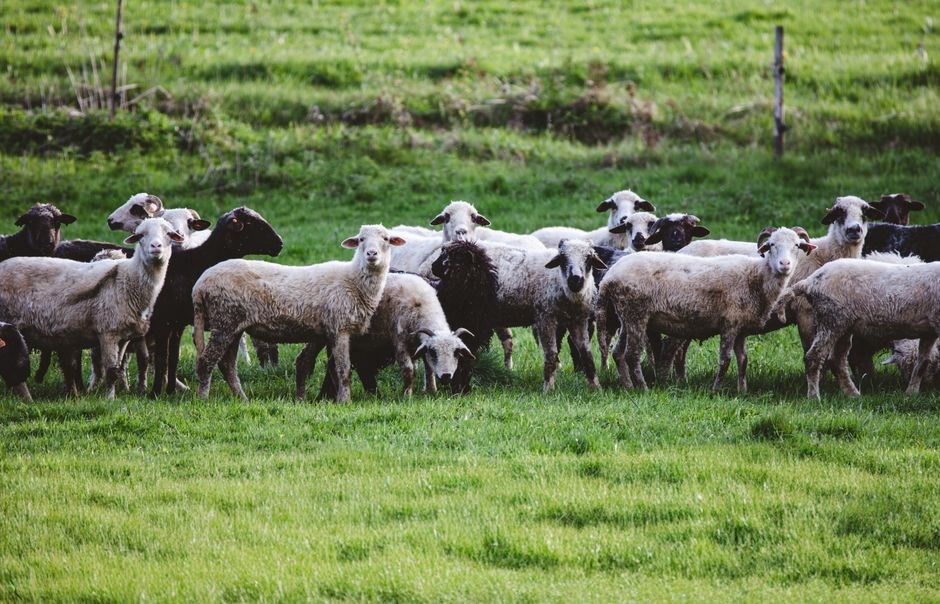
The Animal Farm Summary PDF highlights the struggle between the ideal of equality and the reality of inequality on the farm. Initially, the animals proclaim “All animals are equal,” uniting them against Farmer Jones. However, the pigs quickly assume leadership, arguing that their intelligence justifies a higher status. The PDF notes the pivotal alteration of the Seven Commandments, replacing “No animal shall kill another animal” with “All animals are equal, but some animals are more equal than others.” This change signals the erosion of equality. The pigs’ use of language to justify unequal treatment is evident, especially when the slogan “Four legs good, two legs better” becomes a mantra for the new hierarchy. By juxtaposing the original proclamation with the eventual reality, the summary underscores how equality is fragile when power concentrates. The PDF also examines how working animals, such as Boxer, embody the struggle against inequality, continuing to labor while the pigs enjoy privileges. The conclusion emphasizes that the farm’s descent into inequality mirrors the broader critique of totalitarian regimes, warning that ideals can be subverted by ambition.
The PDF invites readers to reflect on how equality demands vigilance, transparency, and shared responsibility, lest the ideals be eroded by ambition for all. and hope.!!!!!
Readers are urged to consider how the farm’s story illustrates that equality is fragile, requiring constant vigilance and shared responsibility to prevent corruption for all; and hope.?!!