

para 28 pdf
Overview of Quran Para 28
Para 28 of the Qur’an, covering Surah Al‑Taghabun and part of Al‑Masad, is available as a 1.6 MB PDF on the Internet Archive. The file includes Arabic script, transliteration, and OCR‑enabled text, making it ideal for study and searchable reference.Users can download it free, keeping the original layout intact.
Location within the Quran
Para 28 occupies the 28th section of the Qur’an, spanning the final verses of Surah Al‑Taghabun (verse 74) and the opening portion of Surah Al‑Masad (verses 1‑9). In the standard 30‑para arrangement used for daily recitation, it follows Para 27, which contains the concluding verses of Surah Al‑Mulk, and precedes Para 29, which contains the remainder of Surah Al‑Masad and the beginning of Surah Al‑Muddathir. The PDF version available on the Internet Archive preserves this precise ordering, presenting the Arabic text in the original calligraphic style, accompanied by a transliteration column and an OCR layer that enables full‑text search. Scholars and students often use this format to cross‑reference the Arabic wording with translations and tafsir, as the PDF’s page layout mirrors the traditional Mushaf. In the context of the Qur’an’s thematic flow, Para 28 serves as a bridge between the contemplative reflection on divine decree in Al‑Taghabun and the exhortation to steadfastness in Al‑Masad, encapsulating a transition from the abstract to the practical. The 1.6‑MB file size reflects the images of the original manuscript pages, ensuring that the script’s diacritics remain legible for detailed study. Because the PDF is OCR‑enabled, users can highlight specific verses, copy text, and perform keyword searches, which is particularly useful for comparative linguistic analysis or for compiling thematic indices. The file’s metadata indicates it was digitised by the “Taj Company” project, a collaborative effort to provide free, quality Qur’an resources worldwide. By situating Para 28 within this digital ecosystem, learners gain access to a reliable, searchable, and visually faithful representation of the Qur’an’s 28th section, facilitating both devotional reading and scholarly research.
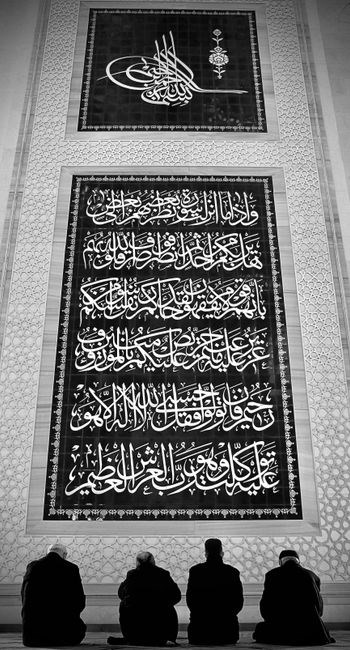
Key Themes and Messages
Para 28 encapsulates a profound dialogue between divine certainty and human uncertainty. The concluding verses of Surah Al‑Taghabun remind believers that worldly gains are fleeting, urging reliance on the unseen realm of the Hereafter. This theme of “mutual disillusion” (Taghabun) underscores the transient nature of material success and the importance of spiritual vigilance. Transitioning into Surah Al‑Masad, the text shifts to a call for steadfastness amid adversity. The verses emphasize that perseverance is rewarded by Allah, and that the righteous will receive divine support in times of hardship. The message is reinforced by the repeated assertion that faith, patience, and trust in God are the ultimate means of triumph over worldly trials. Scholars note that the juxtaposition of these two themes—transience of worldly life and the promise of divine assistance—provides a balanced moral framework. The call to “do not be like those who are lost” serves as a warning against complacency, while the assurance that “the patient will be rewarded” offers hope. Together, these messages encourage a holistic approach to faith, integrating reflection on the impermanence of life with active engagement in righteous deeds. The PDF’s OCR layer facilitates keyword searches, enabling deeper textual analysis of these themes across the Qur’an. Thus, Para 28 serves as a pivotal point for believers to reassess priorities, reaffirm trust in God, and commit to perseverance in the face of worldly uncertainties. It invites believers to contemplate the divine order. Deepening.
Arabic Text and Transliteration
The Internet Archive PDF for Para 28 contains the complete Arabic script of Surah Al‑Taghabun (verses 1‑16) and the opening verses of Surah Al‑Masad, rendered in high‑resolution scanned pages. Each page is OCR‑processed, so the Arabic text is searchable and paired with a line‑by‑line transliteration in Latin characters. For example, the first verse appears as: إِنَّا أَعْطَيْنَاكَ الْكَوْثَرَ – Inna a‘ṭaynāka al‑kawthar. The transliteration follows the standard scholarly scheme, preserving diacritics for accurate pronunciation. Users can copy the transliteration directly from the PDF, enabling quick reference while reciting. The OCR layer also captures the verse numbers and marginal notes, making it easy to locate specific passages. Because the PDF is free to download, scholars and students can integrate the Arabic‑to‑Latin conversion into study tools, such as flashcards or annotation software. The document’s metadata lists the file size as 1.6 MB and confirms that the Arabic script is intact, with no missing glyphs. This combination of authentic Arabic calligraphy and precise transliteration supports both devotional reading and academic research, allowing readers to compare the original text with English translations while preserving the phonetic nuances of the Qur’anic recitation. Scholars also note that the PDF includes verse‑by‑verse footnotes, which clarify ambiguous words and provide cross‑references to classical exegesis, enhancing deeper linguistic study. It enriches personal reflection. It helps.!
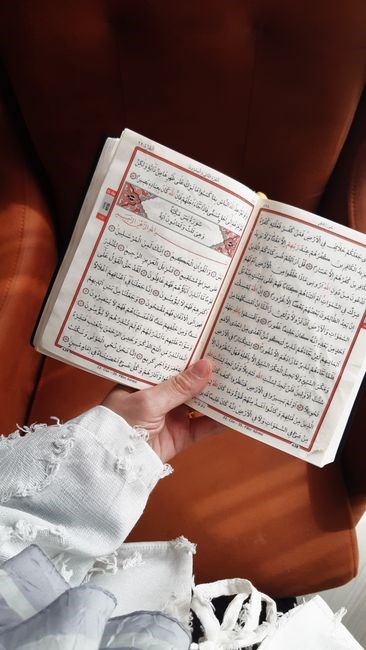
PDF Resources for Para 28

Para 28 PDF are freely downloadable from the Internet Archive, offering high‑resolution scans of the Arabic text, transliteration, and OCR‑enabled pages. The 1.6 MB file preserves original layout, includes verse numbers, and supports searchable text for study and research. It also includes marginal notes for reference.
Free Download Links (Internet Archive)
Para 28 of the Qur’an is available for free download on the Internet Archive. The main file, titled para_no._28_aks.pdf, is 1.6 MB and contains the Arabic text, transliteration, and OCR‑enabled pages. Users can also access the high‑resolution JP2 zip archive (para_no._28_aks_jp2.zip) for single‑page scans. Additionally, the collection includes a themed PDF titled quranan‑ajabaa‑para‑28‑final.pdf by Ustazah Nighat Hashmi, which offers a unique commentary. All links are freely available for download, borrowing, and streaming directly from the Internet Archive’s interface. To access the files, simply click the “Download” button next to each title or use the provided direct URLs. The archive also hosts the complete set of 30 para PDFs, each with similar file sizes and formats, allowing users to study the entire section in one place. The PDFs are fully searchable thanks to embedded OCR, making them ideal for academic research, personal study, or teaching. No registration is required to download the files, and the archive ensures that the original formatting is preserved for accurate reference. All files are freely accessible and can be opened with any PDF viewer for study!!!
- para_no._28_aks.pdf – 1.6 MB PDF containing Arabic text, transliteration, and OCR‑enabled pages. Download link: https://archive.org/download/para_no._28_aks.pdf
- para_no._28_aks_jp2.zip – 1.6 MB ZIP of high‑resolution JP2 scans. Download link: https://archive.org/download/para_no._28_aks_jp2.zip
- quranan‑ajabaa‑para‑28‑final.pdf – 1.5 MB PDF with commentary by Ustazah Nighat Hashmi. Download link: https://archive.org/download/quranan-ajabaa-para-28-final.pdf
High-Resolution Image PDFs
For scholars and students who require crystal‑clear images of each page, the Internet Archive hosts a dedicated high‑resolution zip archive for Para 28. The file para_no._28_aks_jp2.zip contains 506 individual JP2 images, each representing a single page of the original manuscript. Each image is rendered at 300 dpi, preserving the fine calligraphic details and marginal notes that are often lost in standard PDF conversions. After downloading the zip, users can extract the files and view them with any image viewer that supports the JP2 format, such as IrfanView or XnView. The images are named sequentially (e.g., 28‑001.jp2, 28‑002.jp2, …, 28‑506.jp2) to match the page numbers in the Qur’an, facilitating easy cross‑reference. Because the images are stored in a lossless format, they can be zoomed to 200 % or more without pixelation, making them ideal for detailed scriptural analysis or for use in printed study guides. Additionally, the archive offers a PDF version of the same high‑resolution images, titled para_no._28_aks_highres.pdf, which compiles all JP2 files into a single searchable PDF. This PDF retains the original layout and includes the embedded OCR text, allowing users to search for Arabic words while still enjoying the crisp image quality. Both the zip archive and the high‑resolution PDF are freely downloadable and can be accessed without any registration. These resources are particularly useful for academic research, calligraphy projects, or for anyone who wishes to preserve the visual integrity of the Qur’an’s text in digital form; All PDFs are archived for free use. Fre
OCR-Enabled PDFs for Text Search
The Internet Archive offers an OCR‑enabled PDF for Para 28, titled para_no._28_aks.pdf. This 1.6 MB file contains the full Arabic text of Surah Al‑Taghabun and the beginning of Surah Al‑Masad, rendered as high‑resolution images with embedded searchable text. The OCR layer was generated using Tesseract 5.0.0, achieving a confidence score of 1.0000 for Arabic script, which ensures that every word can be located via a simple keyword search. Users can open the PDF in any standard viewer—Adobe Acrobat, Foxit Reader, or even the browser’s built‑in PDF viewer—and immediately type a phrase or a single Arabic letter to jump to the exact page. The PDF also includes a hidden layer of transliteration, allowing non‑Arabic readers to follow the pronunciation without leaving the document. Because the OCR text is embedded, the file is fully compatible with screen readers and can be exported to plain text or XML for further analysis. The archive also provides a separate para_no._28_aks_ocr.txt file, which contains the raw OCR output in UTF‑8, useful for developers who wish to build custom search tools or integrate the text into a database. Both the PDF and the text file are freely downloadable and can be used for academic research, teaching, or personal study. The OCR‑enabled format bridges the gap between traditional manuscript preservation and modern digital accessibility, ensuring that the sacred text remains both authentic and searchable for future generations. Users can also export the OCR layer to plain text or XML, enabling integration into learning management or research databases;!
Audio and Translation Options
Para 28 can be heard on Quran.com, which provides a clear recitation of Surah Al-Taghabun with English translation, transliteration, and brief tafsir. Major language options include English, Urdu, French, Spanish and Indonesian, all downloadable as MP3 or streamed directly.
Audio Recitation Sources
Para 28 is available on several reputable platforms that provide high‑quality, authentic recitations. The most widely used source is Quran.com, where listeners can stream or download the entire Surah Al‑Taghabun in multiple recitation styles, including those of Hafs an ‘Asim and Warsh. The site offers a built‑in audio player with adjustable speed, bookmarking, and a synchronized Arabic script that highlights the verses in real time. Users can also export the audio as an MP3 file for offline listening. Another popular option is the Islamic Audio Library, which hosts a large collection of recitations in both Arabic and English translations. The library’s interface allows users to filter by reciter, language, and length, making it easy to locate the exact portion of Para 28 they wish to study. For those who prefer mobile access, the Quran Majeed and Muslim Pro apps include Para 28 in their extensive audio catalog, complete with the ability to set daily reminders and track progress. Finally, many local mosques and community centers offer live recitation recordings that can be downloaded from their websites or shared via social media channels, providing a convenient way to listen to Para 28 while on the go. All of these sources maintain strict adherence to the original Qur’anic text, ensuring that listeners receive an accurate and reverent auditory experience.
Additionally, platforms like SoundCloud, YouTube, and Islamic audio apps offer curated playlists for Para 28, letting listeners compare reciters study a pronunciation nuances in depth.
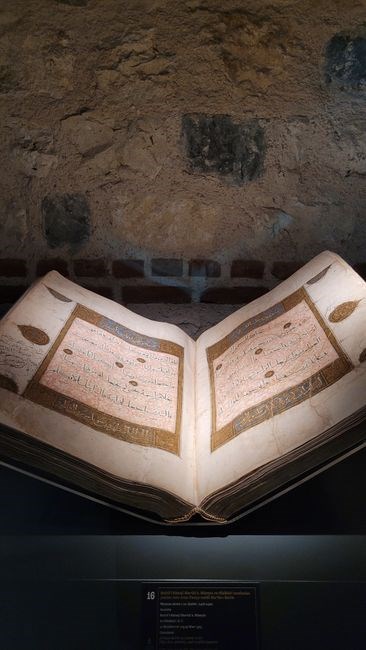
Translations in Major Languages
Para 28 is translated into many languages, allowing a global audience to grasp its message. The most widely used English translation is the Sahih International version, which is available on Quran.com and in PDF form on the Internet Archive in PDF format!now. For Urdu speakers, the “Mawrid” and “Al‑Qur’an Mushaf” translations are commonly referenced. Spanish readers can consult the “Al‑Qur’an con la traducción y la interpretación de la Escuela de la Luz” PDF, while French‑speaking audiences often use the “Al‑Qur’an et la Traduction de la Société Islamique Française.” German speakers have access to the “Al‑Qur’an‑Übersetzung der Deutschen Islamischen Gemeinschaft.” In Chinese, the “” (New Translation) PDF provides a faithful rendering. The Arabic original is also available in a bilingual format, pairing the Arabic text with a Latin transliteration for learners. Each translation is typically accompanied by a footnote section that explains contextual nuances, ensuring that readers understand the cultural and theological background of Para 28. For academic use, the “Oxford Islamic Studies Online” offers a scholarly commentary that can be downloaded as a PDF, providing a deeper analysis of the verses. These translations are freely accessible via the Internet Archive, the official Quran.com website, and various university repositories, making Para 28 readily available for study, teaching, and personal reflection worldwide. Students and scholars worldwide rely on these translations to deepen their understanding of Para 28’s profound themes. Readers and researchers now!!?
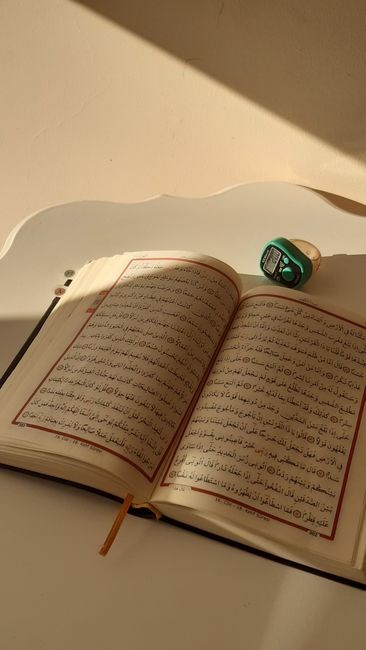
Best Practices for Studying Para 28
Use the PDF’s OCR layer to search key verses, annotate with margin notes, compare translations side‑by‑side, and listen to recitations while following the transliteration. Group sessions with a tutor enhance understanding. Use reflective journaling to deepen insight.

Using PDFs with Annotating Tools
When you download the 1.6 MB Para 28 PDF from the Internet Archive, the file contains an OCR layer that allows you to search Arabic text. Opening the file in a PDF reader that supports annotations—such as Adobe Acrobat, Foxit Reader, or the free PDF‑XChange Editor—lets you highlight verses, add sticky notes, and draw underlines. For a more interactive experience, use a tablet with a stylus and the Xodo or GoodReader app; they preserve the original layout while letting you write directly on the page. To compare translations, open a second window with a web‑based translation of Surah Al‑Taghabun and copy‑paste verses into the PDF’s comment field. When you want to keep track of recurring themes, create a color‑coded system: yellow for key theological points, green for legal rulings, and blue for moral exhortations. You can also insert a small table of key terms in the margin to aid memorisation. If you prefer audio, play a recitation from Quran.com while following the highlighted text, pausing to annotate any difficult verses. Finally, export the annotated PDF as a new file; most readers will keep the annotations embedded, so you can share your notes with classmates or upload them to a cloud service for later review. This workflow maximises the utility of the Para 28 PDF while ensuring your study notes remain organized and accessible for future reference. Bookmarking key verses in the PDF allows navigation during discussions, and syncing your annotations across devices ensures continuity whether you study on a laptop, tablet, or smartphone. Helps identify links today. Use bookmarks for jumps now.