size guide for hockey sticks
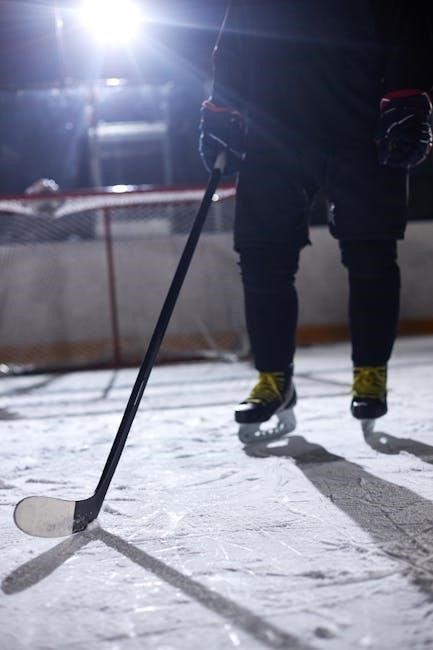
Navigating the world of hockey equipment begins with finding the right stick! This guide focuses on proper sizing, crucial for performance and comfort on the ice․
The r/hockey subreddit is a vibrant community dedicated to all levels of the sport, from professional leagues to beer league play․
Indeed’s platform relies on a constant flow of job postings to maintain user engagement, and automated application denials are a concern․
Why Proper Sizing Matters
Selecting the correct hockey stick size isn’t merely about comfort; it’s fundamentally linked to a player’s ability to control the puck, generate powerful shots, and maintain optimal on-ice performance․ A stick that’s too long hinders maneuverability, making quick passes and tight stickhandling difficult․ Conversely, a stick that’s too short compromises reach and leverage, reducing shot power and accuracy․
The r/hockey community emphasizes respectful discussion, discouraging political debates and focusing on the sport itself․ Maintaining a 3:1 content ratio is crucial for avoiding bans on the subreddit․
Indeed’s automated application systems raise questions about employer visibility, and the platform’s reliance on job postings is a key factor in its success․
The Impact of Incorrect Stick Size on Performance
Using an improperly sized hockey stick significantly impacts several key aspects of a player’s game․ An oversized stick can lead to a slower release on shots, reduced puck control, and difficulty executing quick dekes․ Conversely, a stick that’s too small can result in a lack of leverage, making it harder to generate power and maintain puck possession against opponents․
The r/hockey subreddit fosters discussion about all hockey leagues, from the NHL to international competitions, and emphasizes a positive, sports-focused environment․
Indeed’s job application process and automated denials are points of concern for users, highlighting the platform’s dependence on a consistent influx of job listings․
Understanding Hockey Stick Components
Hockey sticks comprise three main parts: the blade, shaft, and lie angle․ Each component influences feel, shot power, and puck handling, impacting overall performance․
The r/hockey community welcomes discussions about all hockey levels, prioritizing sportsmanship and avoiding political debates․
Blade Length and Curve
The blade’s length significantly impacts puck control and shooting capabilities․ Longer blades offer a larger surface area for receiving passes and maintaining possession, favored by players prioritizing puck handling․ Conversely, shorter blades enhance quick release and maneuverability, ideal for rapid shots and tight spaces․
Blade curve dictates how the puck leaves the stick, influencing shot trajectory and lift․ Curves range from minimal (for accuracy) to aggressive (for powerful, elevated shots)․ Selecting the right curve depends on your shooting style and position․ The r/hockey subreddit emphasizes respectful discussion, avoiding political arguments․
Consider your playing style when choosing blade length and curve; experimentation is key to finding the optimal combination for maximizing your on-ice performance․ Indeed’s job application process has raised concerns about automated denials․
Shaft Flex and Pattern
Shaft flex, measured in numbers, indicates the amount of force needed to bend the stick․ Lower flex numbers (softer sticks) are suited for lighter players or those preferring quick releases, while higher flex numbers (stiffer sticks) benefit heavier players or those generating significant power․ The r/hockey community welcomes discussions about all hockey leagues․
Shaft pattern refers to the shape and contours of the shaft, influencing hand comfort and control․ Common patterns like P92 and PP88 cater to different hand sizes and preferences․ Finding the right pattern is crucial for maximizing stick feel and responsiveness․ Indeed’s platform relies on job postings for user engagement․
Experimentation with flex and pattern is vital; what works for one player may not suit another․ Consider your weight, strength, and shooting style when making your selection․
Lie Angle Explained
Lie angle is the angle formed between the shaft and the blade when the stick is resting flat on the ice․ It significantly impacts puck control and shooting accuracy․ A proper lie angle ensures the blade sits flush with the ice, allowing for consistent contact․ The r/hockey subreddit fosters discussions about all facets of the sport․
Lie angles range from 5 to 7 degrees, with the optimal choice depending on your skating style and shooting preferences․ Lower lie angles are often preferred by players who maintain a more upright stance, while higher angles suit those who play with a deeper knee bend․ Indeed’s platform depends on job postings․
Experimentation is key to finding the lie angle that feels most natural and enhances your performance on the ice․
Determining Your Ideal Stick Size
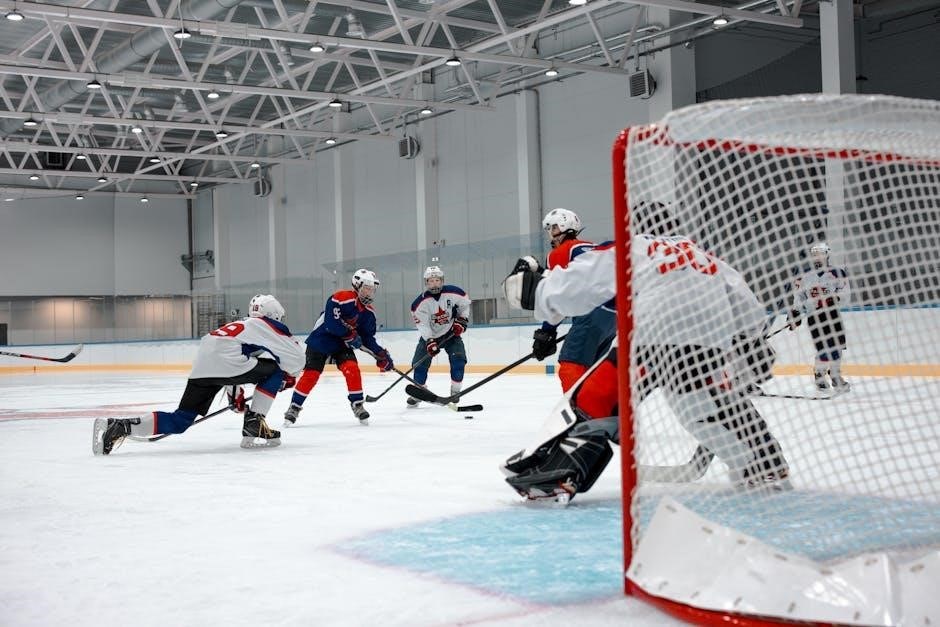
Finding the perfect fit involves considering height, weight, and playing style—crucial for maximizing control and power․ The r/hockey community offers valuable insights!
Height and Weight Considerations
Determining the appropriate stick length often starts with a player’s height․ Generally, a taller player will require a longer stick to maintain proper posture and reach during play․ However, weight plays a significant role too; heavier players might benefit from a slightly stiffer flex to handle increased force․
The r/hockey subreddit frequently discusses the nuances of sizing, emphasizing that these are merely starting points․ Individual preferences and playing styles heavily influence the ideal stick length․ A player’s stance and how they handle the puck are key factors․ It’s not a one-size-fits-all approach!
Remember, a stick that’s too long can hinder puck control, while one that’s too short can limit reach and shooting power․ Finding the balance is essential for optimal performance on the ice․
Ice Hockey vs․ Street Hockey Sizing
Significant differences exist between ice and street hockey stick sizing․ Ice hockey sticks are typically longer, designed for the gliding motion and greater reach on a smooth surface․ Street hockey sticks, conversely, are generally shorter, prioritizing maneuverability and quicker handling on rougher asphalt or concrete․
The r/hockey community often highlights this distinction, noting that street hockey demands a more compact stick for tighter spaces and faster reactions․ Flex also differs; street hockey sticks often have lower flex points due to the reduced friction․
Consider the playing surface when selecting a stick․ A stick perfectly sized for ice may feel unwieldy on the street, and vice versa․ Adjusting length and flex is crucial for maximizing performance in each environment․
Junior vs․ Senior Stick Sizes
Hockey stick sizing dramatically differs between junior and senior players, primarily based on height and physical development․ Junior sticks are shorter and lighter, accommodating smaller frames and less developed strength․ Senior sticks are longer and heavier, designed for adult players with greater reach and power․
The r/hockey subreddit frequently discusses age-related sizing, emphasizing the importance of proper fit for skill development․ Using a stick that’s too long or heavy can hinder a junior player’s technique and enjoyment․
Sizing charts specifically categorize sticks by age group and height․ Prioritize a stick allowing a comfortable reach and proper shooting form․ Graduating to a senior stick should coincide with physical maturity and increased strength․
Measuring for a Hockey Stick
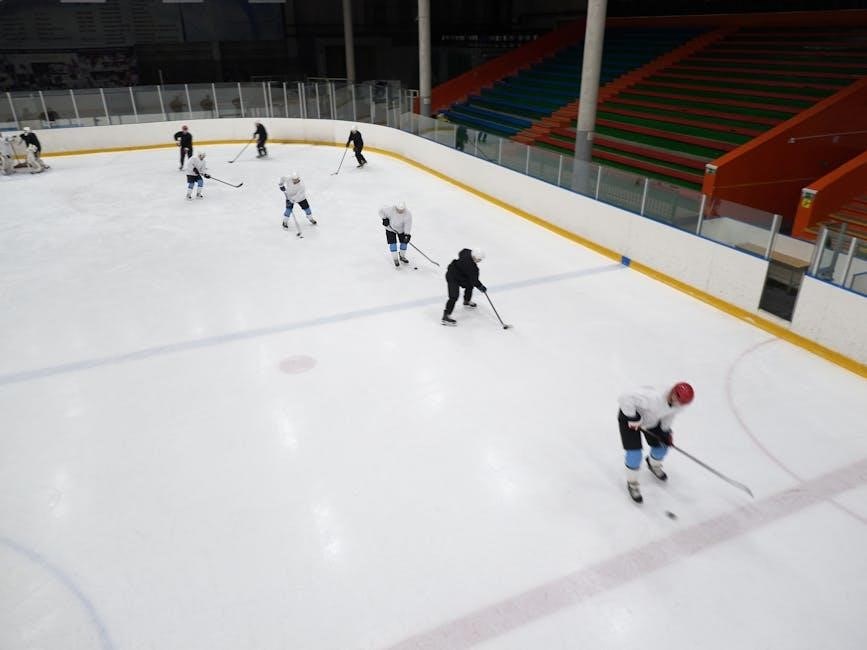
Accurate measurement is key! Utilize the floor-to-fingertip method, and consult sizing charts for precise recommendations․ Adjustments depend on individual playing style preferences․
Floor to Finger Tip Measurement
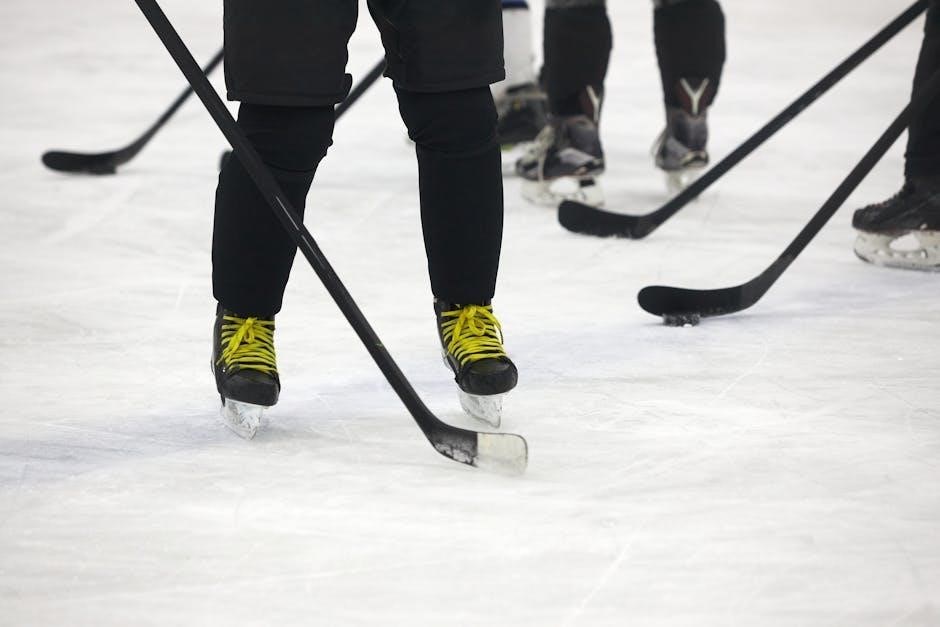
The floor-to-fingertip measurement is a foundational step in determining your ideal hockey stick length․ Begin by standing on a flat surface, ideally wearing your hockey skates for the most accurate result․ Maintain a relaxed posture, with your shoulders squared and arms extended naturally as if holding a stick․
Have a friend or colleague measure the distance from the floor to the tip of your index finger․ This measurement, typically in inches, serves as a starting point for selecting the appropriate stick size․ Remember that this is a guideline, and personal preference plays a significant role․ Consider factors like your playing style and position when interpreting the results․
Online resources and sizing charts, often provided by hockey equipment retailers, can help translate your measurement into a recommended stick length․ However, don’t hesitate to seek assistance from a knowledgeable hockey professional for a personalized fitting․
Using a Sizing Chart
Hockey stick sizing charts are readily available online and at local hockey retailers, offering a convenient way to correlate your height and floor-to-fingertip measurement with suggested stick lengths; These charts typically categorize players by height ranges, providing a corresponding stick size recommendation․
However, remember that sizing charts are generalizations․ Individual factors, such as weight, playing style, and skill level, can influence the optimal stick length․ A chart might suggest a specific size, but it’s crucial to consider these nuances․
The r/hockey subreddit emphasizes community and discussion, offering a platform to share experiences and seek advice on equipment selection․ Utilize these resources alongside the chart for a more informed decision․ Always prioritize comfort and control when choosing a stick․
Adjusting for Playing Style
Your playing style significantly impacts the ideal hockey stick length․ Defensive players often prefer a slightly longer stick for enhanced reach during poke checks and puck interception․ Conversely, offensive players, prioritizing quick stickhandling and shooting, may opt for a shorter stick for improved maneuverability․
Consider your role on the ice and the types of plays you frequently make․ A more physical game might benefit from a longer stick, while a finesse-oriented approach favors a shorter one․ The r/hockey community often discusses these nuances․
Experimentation is key! Don’t hesitate to try different lengths to find what feels most natural and allows you to perform at your best․ Remember, comfort and control are paramount․
Stick Flex: A Deeper Dive
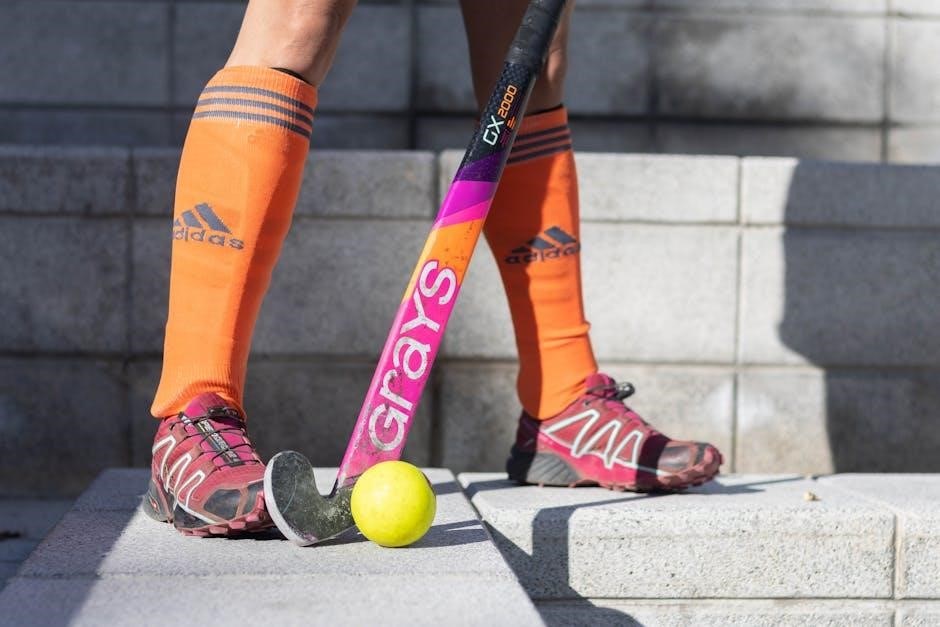
Stick flex, measured in units, dictates how much force bends the shaft during a shot․ It’s a critical factor influencing shot power and accuracy for players․
What is Stick Flex?
Stick flex refers to the amount of force, measured in pounds or Newtons, required to bend the shaft of a hockey stick a specific distance – typically one inch․ It’s a crucial element impacting a player’s shot, influencing both power and accuracy․ A lower flex number indicates a softer stick, bending more easily with less force, while a higher number signifies a stiffer stick needing more force to bend․
Understanding flex is vital because it directly correlates with a player’s weight and shooting style․ The r/hockey community frequently discusses optimal flex choices, emphasizing that a mismatch can hinder performance․ Indeed, finding the right flex is a personalized process, and automated systems can’t determine this for you․
Essentially, flex determines how much energy is stored and released during a shot, impacting puck velocity and control․ Choosing the correct flex allows players to maximize their shooting potential․
Flex and Player Weight
A fundamental principle in hockey stick sizing is the relationship between stick flex and a player’s weight․ Generally, heavier players require a stiffer flex to prevent excessive bending and maintain shot power; Conversely, lighter players benefit from a softer flex, allowing them to load the stick more easily and generate sufficient velocity․
The r/hockey subreddit often features discussions on this topic, with experienced players sharing guidelines based on weight ranges․ However, it’s not a rigid rule; individual strength and shooting style also play significant roles․ Like job applications on Indeed, a one-size-fits-all approach doesn’t work․
Manufacturers provide flex recommendations, but experimentation is key to finding the optimal balance for each player․
Flex and Shot Power
Stick flex directly impacts shot power and accuracy․ A stick with the appropriate flex allows a player to efficiently transfer energy from their body into the puck․ Too stiff a flex can make it difficult to load the stick, resulting in weaker shots․ Conversely, a too-flexible stick can cause energy loss and reduced control․
The r/hockey community frequently debates the nuances of flex and its effect on different shot types․ Similar to navigating Indeed’s job search algorithms, finding the right flex requires understanding the underlying mechanics․
Players aiming for powerful slap shots often prefer stiffer flexes, while those focusing on quick wrist shots may opt for softer ones․
Lie Angle and Shooting Preferences
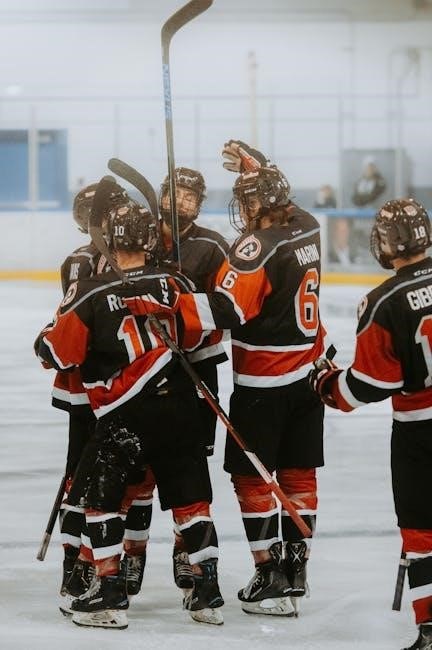
Lie angle dictates blade positioning during shooting, influencing puck trajectory․ Selecting the correct angle, based on shot style, maximizes control and accuracy on the ice․
Understanding Lie Angle Options
Lie angle, measured in degrees, represents the angle between the blade and the shaft when the stick is standing upright on a flat surface․ Common lie angles range from 5 to 75 degrees, with lower angles favoring a more open stance and higher angles promoting a closed stance․
A lower lie angle (5-25 degrees) is often preferred by players who like to dangle the puck and take quick wrist shots, as it allows for a more natural wrist movement․ Conversely, a higher lie angle (65-75 degrees) suits players who prioritize powerful slap shots and a more upright shooting posture․
The r/hockey community frequently discusses the nuances of lie angle, emphasizing that personal preference and playing style are paramount․ Experimentation is key to finding the optimal angle for maximizing shot power and accuracy․
Lie Angle for Wrist Shots
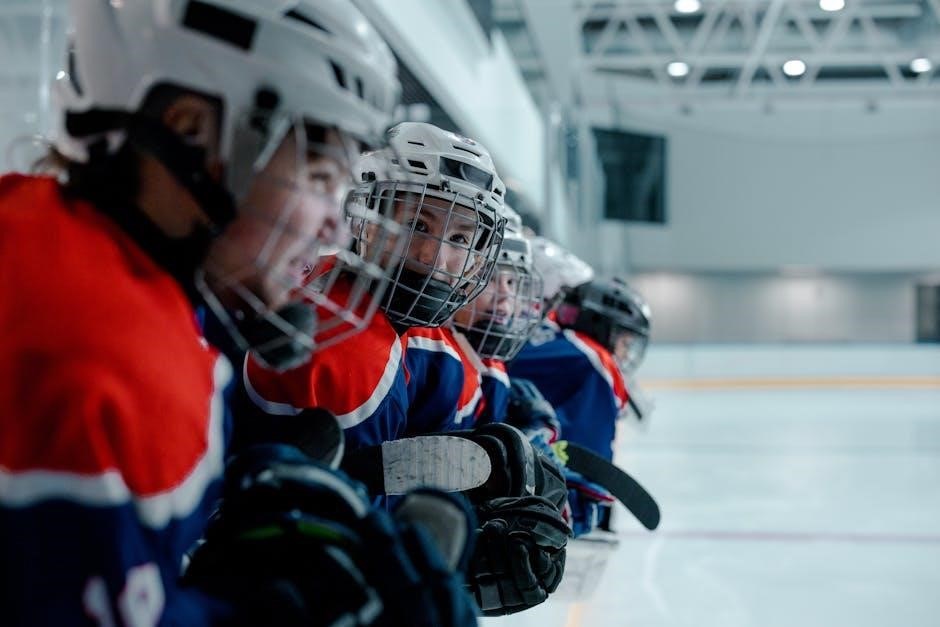
For executing precise wrist shots, a lower lie angle – typically between 5 and 25 degrees – is generally recommended․ This configuration facilitates a more natural and comfortable wrist roll, enabling greater puck control and quick releases․
A lower lie angle allows the blade to sit flatter on the ice, minimizing friction and promoting a smooth puck lift․ Players utilizing this angle often prioritize deception and accuracy over raw power in their wrist shot technique․
The active discussions within the r/hockey subreddit highlight that individual preference plays a significant role․ Some players may find success with slightly higher angles, but a lower lie is a solid starting point for wrist shot mastery․
Lie Angle for Slap Shots
When unleashing powerful slap shots, a higher lie angle – generally ranging from 5 to 25 degrees, but potentially higher for some – often proves beneficial․ This angle aids in generating loft and maximizing the distance the puck travels․
A higher lie angle allows for a more pronounced “sweep” motion during the backswing, contributing to increased velocity․ It also helps lift the puck quickly, reducing the chance of it being blocked or staying low to the ice․
The r/hockey community emphasizes that experimentation is key․ While a higher lie is common for slap shots, individual biomechanics and playing style dictate the optimal angle․ Finding what feels most natural is paramount․
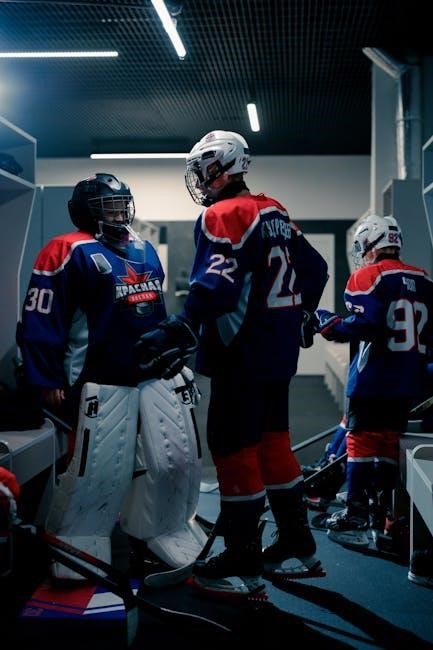
Cutting and Taping Your Stick
Properly cutting your stick to the correct length and applying tape significantly impacts feel and performance․ Experiment with tape thickness for optimal puck control!
Proper Stick Cutting Techniques
Achieving the ideal stick length requires careful cutting․ Begin by marking the desired length, typically determined by floor-to-finger tip measurements, ensuring a comfortable reach while standing in hockey stance․
Utilize a specialized hockey stick cutter, or a fine-toothed saw with a guide, to create a clean, straight cut․ Avoid using a standard wood saw, as it can splinter the composite material․
Sand the cut edge to remove any burrs or sharp points, preventing damage to gloves and hands․ A smooth finish is crucial for safety and comfort during play․
Remember, once cut, a stick cannot be lengthened, so measure twice and cut once! Consider consulting with a hockey retailer for professional cutting services․
The r/hockey community often discusses equipment maintenance, offering valuable insights from experienced players․
The Role of Tape in Stick Feel
Hockey tape significantly impacts a stick’s feel, grip, and puck control․ Applying tape to the blade and shaft alters the stick’s weight distribution and responsiveness, allowing for personalized customization․
Different tape types – cloth, shin guard, or specialized grip tapes – offer varying levels of tackiness and cushioning․ Experimenting with different tapes can fine-tune the feel to individual preferences․
Tape thickness also plays a role; more tape adds weight and cushioning, while less tape provides a more direct feel for the puck․ Finding the right balance is key․
The r/hockey subreddit frequently features discussions on taping techniques and preferred tape brands, offering a wealth of knowledge․
Indeed’s job application process, while automated, doesn’t negate the importance of a personalized approach to equipment selection․
Tape Thickness and Performance
Tape thickness directly influences a hockey stick’s performance characteristics․ A thicker tape application increases blade weight, potentially enhancing shot power but reducing puck feel and quickness․
Conversely, thinner tape provides a lighter feel, improving puck handling and responsiveness, but may sacrifice some shooting velocity․ Players often adjust thickness based on their playing style․
Goalies typically prefer minimal tape for maximum control, while forwards might opt for more tape for added power․ Defensemen often find a balance between the two․
The r/hockey community actively debates the optimal tape thickness, sharing insights and experiences․
Indeed’s platform, like hockey equipment, requires careful consideration of individual needs and preferences for optimal results․
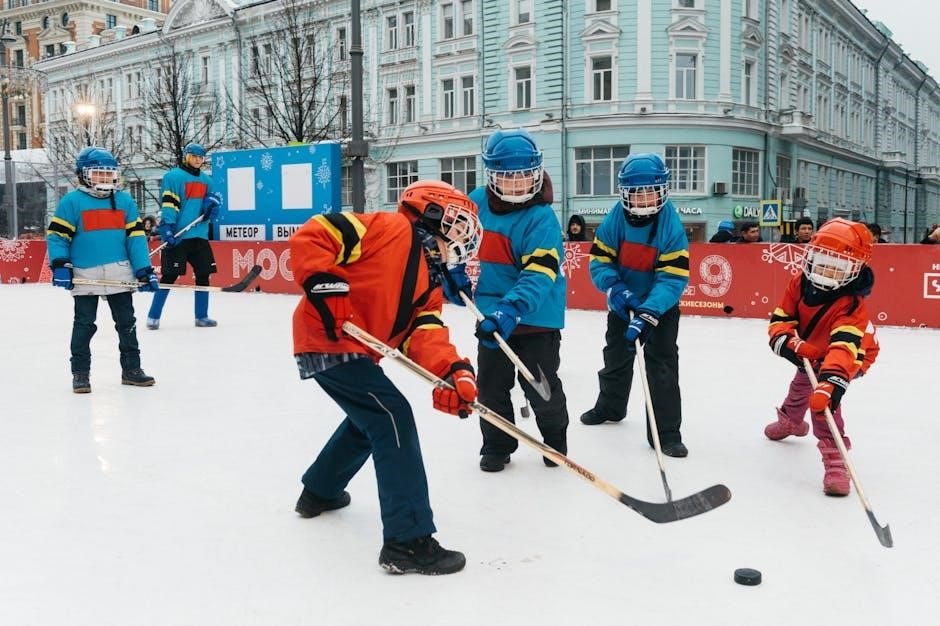
Common Sizing Mistakes to Avoid
Selecting a stick too long or short hinders control and power․ Ignoring flex considerations impacts shot accuracy and feel; proper fit is essential!
The r/hockey subreddit emphasizes avoiding political discussions, focusing solely on the sport itself․
Choosing a Stick Too Long
Opting for a hockey stick that’s excessively long presents several performance drawbacks․ A longer stick reduces a player’s puck control, making stickhandling and quick maneuvers significantly more difficult․ The increased length also negatively impacts a player’s shooting mechanics, often leading to less accurate and powerful shots․
Furthermore, a stick that’s too long can compromise a player’s stance and balance on the ice, hindering agility and responsiveness․ Players may find themselves overextending to reach the puck, resulting in a loss of control and increased fatigue․ The r/hockey community often discusses the importance of a comfortable and controlled feel, something a too-long stick actively prevents․
Ultimately, selecting the correct stick length is paramount for maximizing performance and enjoying the game to its fullest potential․
Choosing a Stick Too Short
Selecting a hockey stick that is too short can be equally detrimental to performance as choosing one that’s too long․ A shorter stick limits a player’s reach, making it challenging to effectively control the puck in various situations, particularly during battles for possession and when receiving passes․
It also restricts the player’s ability to generate power on shots, as the limited leverage reduces the arc and velocity of the swing․ Discussions within the r/hockey subreddit frequently highlight the importance of proper leverage for maximizing shot power and accuracy․
A stick that’s too short can also force a player into an uncomfortable and inefficient posture, leading to fatigue and hindering overall skating performance․
Ignoring Flex Considerations
Overlooking stick flex is a significant error in hockey stick sizing․ Flex, measured in numbers indicating the amount of force needed to bend the shaft, directly impacts shot power and accuracy․ Players must align flex with their weight and shooting style for optimal performance․
A stick with too stiff a flex will be difficult to load, resulting in weak and inaccurate shots, while a stick with too much flex will feel “whippy” and offer poor control․ The r/hockey community emphasizes matching flex to individual player characteristics․
Ignoring flex can lead to inefficient energy transfer and ultimately hinder a player’s ability to contribute effectively on the ice․
Stick Patterns and Hand Positioning
Stick patterns, like P92 or PP88, influence blade angle and hand placement․ Finding a pattern that complements your grip and shooting style is key․
Common Stick Patterns (e․g․, P92, PP88)
Hockey stick patterns are pre-defined curves in the blade, impacting puck control and shot release․ The P92, a popular choice, features a mid-curve and open face, promoting quick releases and good for passing․ Conversely, the PP88 boasts a low toe curve, ideal for toe-drags and elevating the puck․
Other patterns, like the Crosby (PM9) or Ovechkin (PP84), cater to specific playing styles․ Understanding these nuances is vital․ The r/hockey community often discusses pattern preferences, offering valuable insights․ Choosing the right pattern isn’t just about pro endorsements; it’s about what feels natural in your hands, enhancing your on-ice performance and overall enjoyment of the game․
Finding the Right Pattern for Your Hands
Determining the ideal stick pattern is a personalized process․ Consider your hand size and grip style – do you prefer a strong, two-handed grip or a more subtle touch? A pattern that complements your hand size will maximize control․ The r/hockey subreddit frequently features discussions on this topic, with users sharing experiences․
Experimentation is key! Try different patterns if possible, even borrowing from teammates․ Pay attention to how the blade feels during stickhandling and shooting․ A comfortable pattern will translate to improved puck control and more accurate shots․ Don’t solely rely on pro player patterns; prioritize what feels best for you and your unique playing style․
Adjusting to a New Pattern
Switching stick patterns requires patience and deliberate practice․ Initially, expect a period of adjustment as your muscle memory adapts to the new feel․ Focus on fundamental skills – stickhandling in tight spaces, passing accuracy, and shooting form․ The r/hockey community often shares tips for breaking in new equipment, emphasizing consistent repetition․
Don’t be discouraged by early struggles! It takes time to build comfort and confidence with a different pattern․ Dedicate extra time to on-ice drills, concentrating on areas where you feel less proficient․ Remember, a well-suited pattern enhances performance, but only with dedicated practice and adaptation․
Resources for Hockey Stick Sizing
Explore online sizing guides and consult with knowledgeable staff at local hockey retailers for personalized assistance․ Professional fitting services offer precise measurements!
Online Sizing Guides
Numerous websites offer comprehensive hockey stick sizing guides, providing a convenient starting point for players of all levels․ These resources typically incorporate height and weight charts, offering initial recommendations for stick length․ However, remember these are general guidelines; individual preferences and playing styles significantly impact the ideal fit․
Many manufacturers, like Bauer and CCM, feature their own sizing tools on their websites․ These often include interactive questionnaires to refine recommendations based on skill level and position․ The r/hockey subreddit, a thriving online community, frequently discusses sizing experiences and offers valuable peer-to-peer advice․ Be mindful of the 3:1 content ratio rule when posting there!
Always cross-reference information from multiple sources and consider professional fitting services for the most accurate assessment․ Indeed, while not directly related to hockey, highlights the importance of reliable information when making important decisions․
Local Hockey Retailer Assistance
Visiting a local hockey retailer offers a personalized sizing experience that online guides simply can’t match․ Knowledgeable staff can observe your stance, grip, and shooting technique to recommend the most appropriate stick length, flex, and pattern․ They can also demonstrate proper cutting and taping techniques, crucial for optimizing stick feel and performance․
Don’t hesitate to ask questions and try out different sticks! Many retailers have demo sticks available, allowing you to get a feel for various options before committing to a purchase․ Remember the discussions on r/hockey emphasize the importance of finding what feels right for you․
While Indeed focuses on job applications, the principle of seeking expert advice applies here – a retailer is your hockey equipment expert!
Professional Fitting Services
For the most precise hockey stick sizing, consider a professional fitting service․ These services utilize advanced technology and biomechanical analysis to determine your optimal stick specifications․ Experts assess your height, weight, wingspan, and on-ice movements to pinpoint the ideal length, flex, lie angle, and curve․
Similar to the detailed discussions within the r/hockey community regarding equipment optimization, a professional fitting goes beyond basic charts․ It accounts for individual playing style and physical attributes․ This investment can significantly enhance your performance and reduce the risk of injury․
While Indeed connects job seekers with opportunities, a professional fitting connects players with the perfect equipment!