

earthbox planting guide
EarthBox Planting Guide: A Comprehensive Overview
Embark on a rewarding gardening journey with this guide‚ detailing setup‚ maintenance‚ and plant selection for maximizing yields from your EarthBox system.
Discover how to assemble‚ plant‚ and nurture thriving gardens‚ utilizing optimal soil mixes and effective pest control strategies for bountiful harvests.
Understanding the EarthBox System
The EarthBox is a self-contained‚ remarkably efficient gardening system designed for optimal plant growth‚ minimizing effort and maximizing yields. Unlike traditional gardening‚ it utilizes a reservoir watering system‚ providing plants with consistent moisture from below‚ reducing water waste and preventing common issues like fungal diseases.
This innovative design features a durable plastic container‚ a water reservoir‚ a wicking bed‚ and a specialized potting mix. The wicking bed draws water up to the roots as needed‚ creating a consistently moist environment. A fertilizer strip provides a slow-release nutrient supply‚ eliminating the need for frequent feeding.
Essentially‚ the EarthBox mimics a natural wetland environment‚ offering plants ideal conditions for robust development. It’s a fantastic solution for gardeners with limited space‚ poor soil conditions‚ or those seeking a low-maintenance gardening experience. Understanding these core principles is key to successful EarthBox gardening.
Benefits of EarthBox Gardening
EarthBox gardening offers a multitude of advantages over traditional methods‚ making it a popular choice for both novice and experienced gardeners. A primary benefit is water conservation; the reservoir system drastically reduces water usage compared to conventional watering techniques. This efficiency translates to cost savings and environmental responsibility.
Furthermore‚ the self-watering nature of the EarthBox minimizes the need for constant monitoring‚ freeing up your time. The consistent moisture levels promote vigorous plant growth and reduce stress‚ leading to higher yields and healthier produce. The contained system also limits weed growth‚ simplifying maintenance.
Additionally‚ EarthBoxes are incredibly versatile‚ suitable for patios‚ balconies‚ or any space with sufficient sunlight. They overcome poor soil conditions‚ offering a solution where in-ground gardening is challenging. Ultimately‚ EarthBox gardening delivers a bountiful harvest with less effort and greater sustainability.
EarthBox Components & Materials
The core of the EarthBox system is a durable‚ UV-resistant plastic container‚ typically black in color to absorb heat. Essential components include a reservoir with a fill tube for easy watering‚ and an overflow drain to prevent over-saturation. A fertilizer grid sits above the reservoir‚ holding a slow-release fertilizer strip that provides consistent nutrients.
Crucially‚ the system requires a specialized potting mix – not garden soil – designed for optimal drainage and aeration. Dolomite lime is often recommended to balance pH and provide calcium and magnesium. Ready-to-Grow kits often include all necessary materials‚ simplifying setup.
Beyond the basic kit‚ you’ll need seeds or seedlings‚ and potentially additional dolomite lime depending on your potting mix. Understanding each component’s role is key to successful EarthBox gardening‚ ensuring a thriving and productive growing environment.

Setting Up Your EarthBox
Begin by assembling the box‚ installing the watering tube‚ and adding the fertilizer strip‚ then carefully fill with potting mix‚ preparing for planting success!
Assembling the EarthBox
Start with the base of the EarthBox‚ ensuring it’s placed on a level surface to guarantee even water distribution. Next‚ carefully attach the side walls‚ interlocking them securely to form a sturdy rectangular container. Pay close attention to the corners‚ making sure they are firmly connected for structural integrity.
Once the walls are in place‚ insert the black liner into the assembled box; this liner is crucial for retaining moisture and preventing soil from escaping. Smooth out any wrinkles in the liner to create a consistent surface. Finally‚ position the EarthBox on its chosen sunny location before proceeding to the next setup steps‚ as moving it later with soil can be challenging. A properly assembled EarthBox forms the foundation for a thriving garden!
Installing the Watering Tube

Locate the round opening on one end of the EarthBox and carefully insert the black watering tube through it. Ensure the tube extends upwards‚ reaching just below the top rim of the box; this allows for easy filling; Secure the tube firmly in place‚ preventing it from shifting during watering.
Next‚ pack potting soil around the base of the tube inside the EarthBox to create a watertight seal‚ preventing water leakage. This step is vital for maintaining consistent moisture levels. Remember to leave the top portion of the tube exposed for convenient water addition. A correctly installed watering tube delivers hydration directly to the root zone‚ promoting healthy plant growth and simplifying maintenance.
Adding the Fertilizer Strip
Once the watering tube is securely installed‚ it’s time to add the fertilizer strip‚ a crucial component for sustained plant nutrition. Carefully unroll the fertilizer strip and lay it evenly across the surface of the potting mix within the EarthBox. Avoid bunching or overlapping the strip‚ ensuring uniform distribution of nutrients.
Then‚ gently cover the fertilizer strip with a layer of potting mix‚ approximately one to two inches deep. Do not overfill the system‚ leaving sufficient space for planting. This placement allows for slow-release fertilization‚ providing plants with essential nutrients throughout the growing season. Following these instructions guarantees optimal plant health and abundant yields.

Soil & Amendments for Optimal Growth
Achieve superior results by selecting a premium potting mix and incorporating dolomite lime‚ vital for preventing blossom end rot and enriching your EarthBox.
Choosing the Right Potting Mix
Selecting the appropriate potting mix is paramount for EarthBox success‚ differing significantly from traditional garden soil. EarthBoxes require a soilless mix‚ prioritizing aeration and drainage to prevent compaction and root rot. A blend of peat moss‚ perlite‚ and vermiculite is commonly recommended‚ providing a lightweight and well-draining medium.
Avoid using garden soil or mixes containing heavy clay‚ as these will impede water flow and nutrient uptake. Look for mixes specifically formulated for container gardening‚ ensuring they are sterile to minimize the risk of disease. The ideal mix should retain sufficient moisture while allowing excess water to drain freely‚ creating a thriving environment for plant roots.
Consider the specific needs of your chosen plants when selecting a potting mix; some may benefit from added compost or other organic amendments.
The Role of Dolomite Lime
Dolomite lime plays a crucial‚ yet often overlooked‚ role in EarthBox gardening‚ acting as a vital soil amendment. It’s not a fertilizer‚ but rather a source of calcium and magnesium – essential nutrients often lacking in peat-based potting mixes commonly used in EarthBoxes. These nutrients are critical for healthy plant growth and preventing common issues.
Specifically‚ calcium deficiency can lead to blossom-end rot‚ particularly in tomatoes and peppers‚ manifesting as dark‚ sunken spots on the fruit. Magnesium is essential for chlorophyll production‚ impacting a plant’s ability to photosynthesize effectively. Adding dolomite lime helps correct these potential deficiencies‚ ensuring robust plant development.
Follow package instructions carefully when incorporating dolomite lime into your potting mix‚ as excessive amounts can alter the pH balance.
Understanding Fertilizer Requirements
EarthBox systems utilize a unique fertilizer strip designed for slow-release nutrient delivery throughout the growing season. However‚ understanding the specific needs of your chosen plants is paramount for optimal results. The fertilizer strip provides a balanced blend‚ but supplemental feeding might be necessary for heavy feeders like tomatoes or peppers.
Consider the N-P-K ratio (Nitrogen‚ Phosphorus‚ Potassium) of the fertilizer strip and how it aligns with your plants’ growth stages. Nitrogen promotes leafy growth‚ phosphorus supports root and flower development‚ and potassium enhances overall plant health.

Monitor your plants for signs of nutrient deficiencies – yellowing leaves‚ stunted growth – and adjust accordingly. While the EarthBox simplifies fertilization‚ attentive observation remains key to a thriving garden.
Planting Your EarthBox
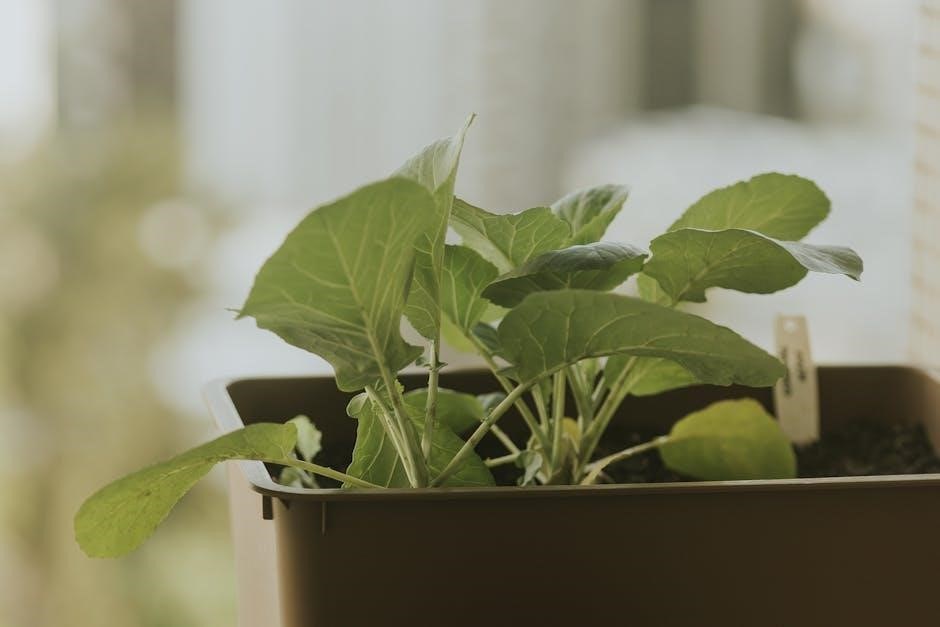
Begin by choosing seeds or seedlings‚ carefully considering recommended planting depths and spacing guidelines for each variety to ensure optimal growth.

Seed Starting vs. Seedlings
Deciding between starting seeds indoors or directly using seedlings for your EarthBox involves weighing time‚ resources‚ and desired control. Starting seeds allows for a wider variety selection and potentially lower costs‚ but requires more initial effort and space with grow lights.
Seedlings‚ purchased from nurseries‚ offer convenience and a head start‚ especially beneficial for crops with longer growing seasons like tomatoes and peppers. However‚ they can be more expensive and may have limited variety.
For EarthBox gardening‚ seedlings are often preferred by beginners due to the system’s relatively short growing window. Ensure seedlings are healthy‚ with strong stems and no signs of disease before transplanting. Regardless of your choice‚ always follow the specific planting instructions provided with your seeds or seedling tags for best results.
Recommended Planting Depths
Achieving optimal germination and growth within your EarthBox relies heavily on correct planting depths. Generally‚ smaller seeds like lettuce and carrots require only a shallow covering – about ¼ inch – while larger seeds‚ such as beans and peas‚ benefit from being planted 1 to 1.5 inches deep.
For seedlings‚ the planting depth should match the depth at which they were growing in their original container. Avoid planting too deeply‚ as this can hinder emergence and lead to damping-off. Conversely‚ planting too shallowly can cause seedlings to dry out.
Always refer to the seed packet or plant tag for specific recommendations‚ as variations exist between varieties. Consistent moisture is crucial after planting‚ regardless of depth‚ to encourage successful germination and root development within the EarthBox system.
Plant Spacing Guidelines
Maximizing your EarthBox’s yield requires careful consideration of plant spacing. Overcrowding restricts airflow‚ increases disease risk‚ and diminishes individual plant productivity. Generally‚ allow 12-18 inches between tomato and pepper plants‚ providing ample room for growth.
Leafy greens like lettuce and spinach can be planted closer together‚ around 6-8 inches apart‚ utilizing space efficiently. Root vegetables‚ such as carrots and radishes‚ benefit from 2-3 inches of spacing. Consider the mature size of each plant when determining spacing.
Staggering plants can also optimize space utilization. Refer to seed packets or plant tags for specific spacing recommendations‚ and don’t hesitate to adjust based on the variety and your EarthBox’s configuration.

EarthBox Maintenance & Care
Consistent watering‚ fertilizer replenishment‚ and proactive pest/disease management are crucial for a thriving EarthBox garden‚ ensuring optimal plant health and abundant harvests.
Watering Techniques
EarthBox systems utilize a unique reservoir watering method‚ differing significantly from traditional gardening. Water is added directly into the watering tube‚ filling the reservoir beneath the soil.
Monitor the water level indicator; when it reaches the bottom‚ it’s time to refill. Avoid overwatering‚ as this can lead to root rot and nutrient imbalances. The frequency of watering depends on plant size‚ weather conditions‚ and growth stage.
During hot‚ sunny periods‚ daily watering may be necessary‚ while cooler weather will require less frequent refills. Ensure even moisture distribution throughout the soil by allowing the reservoir to replenish fully each time.
Consistent monitoring and appropriate watering are key to maximizing plant health and yield within your EarthBox system‚ providing a self-sustaining environment for robust growth.
Fertilizer Replenishment Schedule
EarthBox systems rely on a slow-release fertilizer strip for consistent nutrient delivery. Typically‚ the initial fertilizer strip lasts for approximately two to three months‚ providing essential nutrients throughout the early growth stages.
Monitor plant health closely for signs of nutrient deficiencies‚ such as yellowing leaves or stunted growth. When the initial strip is depleted‚ replace it with a new one‚ carefully positioning it under the soil media.
Supplemental feeding may be beneficial for heavy feeders like tomatoes and peppers‚ especially during peak fruiting. Consider adding liquid fertilizer diluted according to package instructions‚ applied through the watering tube.
Regular observation and timely replenishment ensure a continuous supply of nutrients‚ promoting vigorous growth and abundant harvests throughout the growing season within your EarthBox.
Pest & Disease Management
EarthBox gardening‚ while relatively contained‚ isn’t immune to pests and diseases. Regularly inspect plants for common issues like aphids‚ whiteflies‚ or fungal spots.
Early detection is crucial. Handpick visible pests or use insecticidal soap‚ ensuring thorough coverage. For fungal diseases‚ improve air circulation and avoid overhead watering.
Beneficial insects‚ like ladybugs‚ can be introduced to control pest populations naturally. Consider companion planting with herbs like basil to deter unwanted visitors.
Preventative measures‚ such as using clean potting mix and providing adequate spacing‚ minimize problems. If issues persist‚ organic fungicides can be applied‚ following label instructions carefully to maintain a healthy EarthBox garden.

Choosing the Right Plants for Your EarthBox
Maximize your EarthBox’s potential by selecting appropriate plants – vegetables‚ herbs‚ and companion pairings – for optimal growth and abundant‚ flavorful harvests.
Best Vegetables for EarthBox Gardening
EarthBoxes excel at producing high yields of warm-season vegetables‚ thriving in the consistent moisture and nutrient-rich environment they provide. Tomatoes are a standout choice‚ particularly determinate varieties‚ offering prolific harvests within the confined space. Peppers‚ both sweet and hot‚ flourish‚ benefiting from the consistent warmth and drainage;
Eggplant also performs exceptionally well‚ producing abundant‚ glossy fruits. Bush beans are ideal‚ avoiding the need for extensive trellising‚ while zucchini and other summer squash varieties deliver impressive yields. Cucumbers‚ especially bush or compact varieties‚ can be successfully grown‚ though some support may be beneficial.
Leafy greens like lettuce and spinach can be grown during cooler seasons‚ and radishes and carrots are suitable for shallower planting depths. Remember to consider plant size and growth habits when selecting varieties to ensure optimal performance within the EarthBox system.
Suitable Herbs for EarthBox Systems
EarthBoxes provide an excellent environment for cultivating a wide array of herbs‚ offering consistent moisture and nutrients for robust growth. Basil thrives‚ producing abundant leaves for pesto and culinary uses‚ and parsley‚ both flat-leaf and curly‚ flourishes in the rich soil. Chives are a simple addition‚ providing a mild onion flavor‚ and oregano and marjoram benefit from the warm‚ well-drained conditions.
Thyme and rosemary‚ while preferring drier conditions‚ can be successfully grown with careful watering. Mint is vigorous but should be contained‚ as it can be invasive; consider growing it in a separate‚ smaller container within the EarthBox. Cilantro can be grown‚ but may bolt quickly in warmer temperatures.
Dill also performs well‚ offering feathery foliage for pickling and flavoring. Companion planting herbs with vegetables can also deter pests and enhance growth;
Companion Planting Strategies
Maximize your EarthBox’s potential by employing companion planting techniques‚ fostering a synergistic environment for healthier‚ more productive plants. Basil paired with tomatoes repels pests and improves tomato flavor‚ while marigolds deter nematodes and other harmful insects throughout the box. Carrots and onions benefit each other‚ with onions repelling carrot root flies and carrots deterring onion flies.
Planting borage near strawberries attracts pollinators and boosts fruit production. Nasturtiums act as a trap crop‚ drawing aphids away from more vulnerable plants. Avoid planting fennel near most vegetables‚ as it inhibits growth.
Strategic placement of herbs and flowers within your EarthBox can create a natural defense system‚ reducing the need for chemical interventions and promoting a thriving ecosystem.